How to Start an Affiliate Website
A beginner-friendly blueprint for choosing a niche, building tool pages, writing reviews, and earning affiliate revenue responsibly.
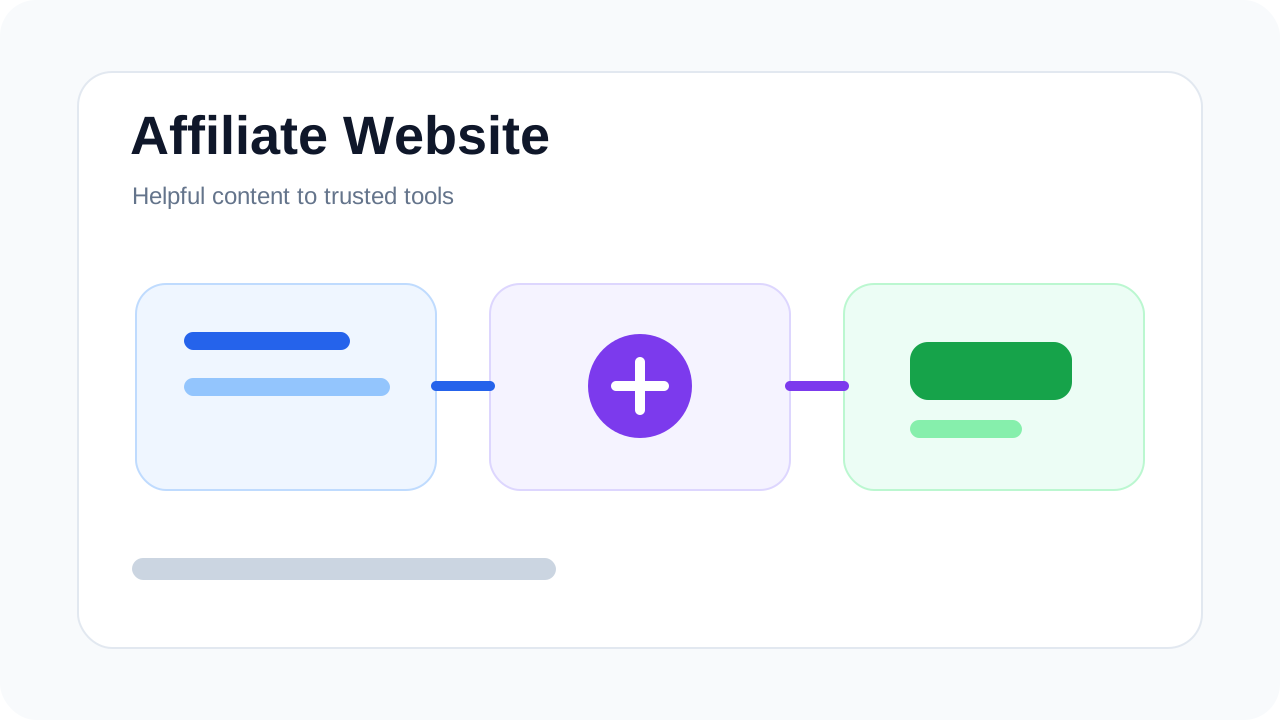
Pick a niche with real buying intent
An affiliate website works when it helps a specific audience make a decision. Do not start with every software category on the internet. Pick a niche where people compare tools, search for tutorials, and eventually purchase something. AI builders, ecommerce founders, WordPress beginners, and solo SaaS founders are examples of audiences with clear tool needs. The niche should be narrow enough that your first twenty articles feel connected, but broad enough to support many comparisons and tutorials.
Use Semrush or another keyword tool to research search demand, but do not let keyword volume be the only filter. Look for problems you can explain honestly: how to choose hosting, how to register a domain, how to deploy a website, how to start an online store, or how to compare VPS providers. These topics create natural opportunities to link to tool pages without sounding forced.
Build the site structure before writing everything
A strong affiliate site needs more than blog posts. Create a home page, a tools index, individual tool pages, review pages, comparison pages, and disclosure pages. Tool pages should include best for, pricing, pros, cons, official link, affiliate link status, and a clear call to action. This structure makes the site easier to maintain because every recommendation has a home. When you mention a registrar, link to Namecheap. When you mention ecommerce, link to Shopify.
Use local data files at first. A database is unnecessary for the first version unless you have editors, accounts, or thousands of records. Local TypeScript or JSON keeps the content reviewable in Git. It also helps you avoid building an admin system before you know which pages convert. Once the site earns traffic or revenue, you can consider a CMS. Until then, write, publish, measure, and improve.
Write helpful content, not thin reviews
The fastest way to make a weak affiliate site is to publish generic reviews that repeat vendor marketing copy. Helpful content shows the reader how to decide. Include setup steps, screenshots when possible, pricing caveats, alternatives, who should avoid the product, and common mistakes. A review of a hosting provider should explain when managed hosting is enough and when a VPS is better. A review of an SEO tool should explain what reports a beginner should open first.
Each article should answer a search intent. A tutorial teaches a process. A comparison helps choose between options. A best tools post narrows a category. A checklist prevents mistakes. Add two or three internal links only when they help. Overlinking looks desperate and can weaken trust. The reader should feel that links are part of the lesson, not interruptions.
Disclose affiliate links and track responsibly
Affiliate disclosure is not optional. Add a clear page explaining that some links may earn a commission at no extra cost to the reader. Also add short disclosure text near conversion buttons. This transparency protects trust. It also reminds you to separate editorial judgment from commission potential. A tool should be recommended because it fits the use case, not because the payout is high.
Common mistakes include hiding disclosures, promoting tools you have not researched, choosing a niche only because commissions are high, and ignoring content updates. Affiliate sites age quickly when pricing, features, or terms change. Keep a simple update calendar. Review your most important pages every quarter. If a tool becomes unavailable or no longer fits, change the recommendation. Trust compounds more slowly than traffic, but it is much harder to replace once lost.
Plan your first twenty URLs before writing all of them. Include five tutorials, five tool reviews, five comparisons, three checklists, and two disclosure or about pages. This map prevents the site from becoming a random pile of posts. It also helps internal linking because each article has a logical next step. A tutorial can point to a tool page, a review can point to a comparison, and a checklist can point back to the most important beginner guide.
Track affiliate links in a table or data file with status, program name, destination, and last checked date. Pending links should still send readers to the official site. Active links should be tested after every major content update. Unavailable links should be removed or replaced with a neutral official link. This keeps monetization from becoming scattered across paragraphs where it is hard to audit.
Finally, write from experience whenever possible. If you have not used a tool deeply, say what you know and what you have not tested. Readers can sense when an article is assembled only from sales pages. Screenshots, setup notes, pricing caveats, and failure stories make affiliate content more useful. The goal is to become a trusted guide, not a link farm.
For the first month, publish before optimizing monetization. Add clear CTAs and disclosures, but spend most of your effort on useful tutorials. Search engines and readers need evidence that the site deserves attention. Once pages begin receiving impressions, improve the articles that already show demand instead of guessing which new topic will convert.
Measure simple events manually at first: which pages get indexed, which links receive clicks, which articles attract replies, and which tools readers ask about. You can add advanced tracking later. Early affiliate work is mostly editorial discipline: keep pages accurate, make links easy to audit, and avoid recommending products that do not fit the reader's stage.
Recommended Tools
Start with the tools that match this guide before adding more software to your stack. These recommendations link to internal tool pages first, so you can compare pricing, use cases, and current affiliate status before visiting any official site.
SEO
Semrush
Keyword research, competitor analysis, content planning, and SEO audits.
Subscription SaaS; best considered after a site has a clear SEO workflow.
Domain
Namecheap
Beginners buying domains and managing DNS for websites, SaaS projects, or affiliate sites.
Domains are billed yearly; first-year and renewal prices vary by TLD.
Ecommerce
Shopify
Founders launching online stores, digital products, or brand commerce sites quickly.
Monthly subscription; app, theme, and transaction-related costs may add up.
Related Articles
Continue with closely related guides from the same builder workflow.
Semrush vs Ahrefs
A commercial SEO tool comparison for affiliate site builders choosing between Semrush and Ahrefs for keyword, competitor, and content strategy.
How to Start an Affiliate Website
A 2026 tutorial for starting an affiliate website with tool pages, comparison content, disclosure, internal links, and a realistic publishing plan.
How to Get Traffic to a New Website
A beginner tutorial for getting early traffic through SEO foundations, helpful content, internal links, communities, and consistent updates.
Ready to choose your next tool?
Compare the recommended stack, read the disclosure, and pick only the tools that fit your project stage. Some links may become affiliate links when approved, but the guide remains focused on practical fit.